

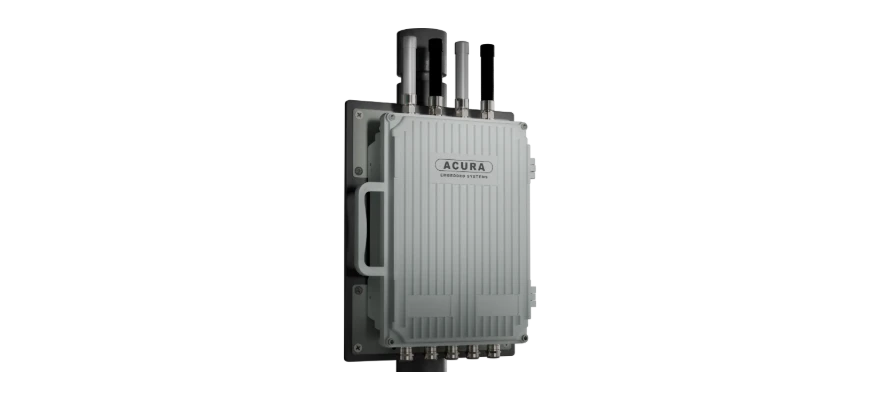

Stop compromising on trailing cable visibility.
AcuSense puts rugged sensor nodes on your shovel trailing cables and brings their location, energized status and maintenance history into one live view, with alerts your crews can act on.

Introducing AcuSense.
See how AcuSense brings trailing cable status, location and history together for the whole site.
Built for the cables that power open-pit mines.
Trailing cables feed electric shovels and drills from the substation to the face, and they move with the machine every shift. AcuSense goes where they go.
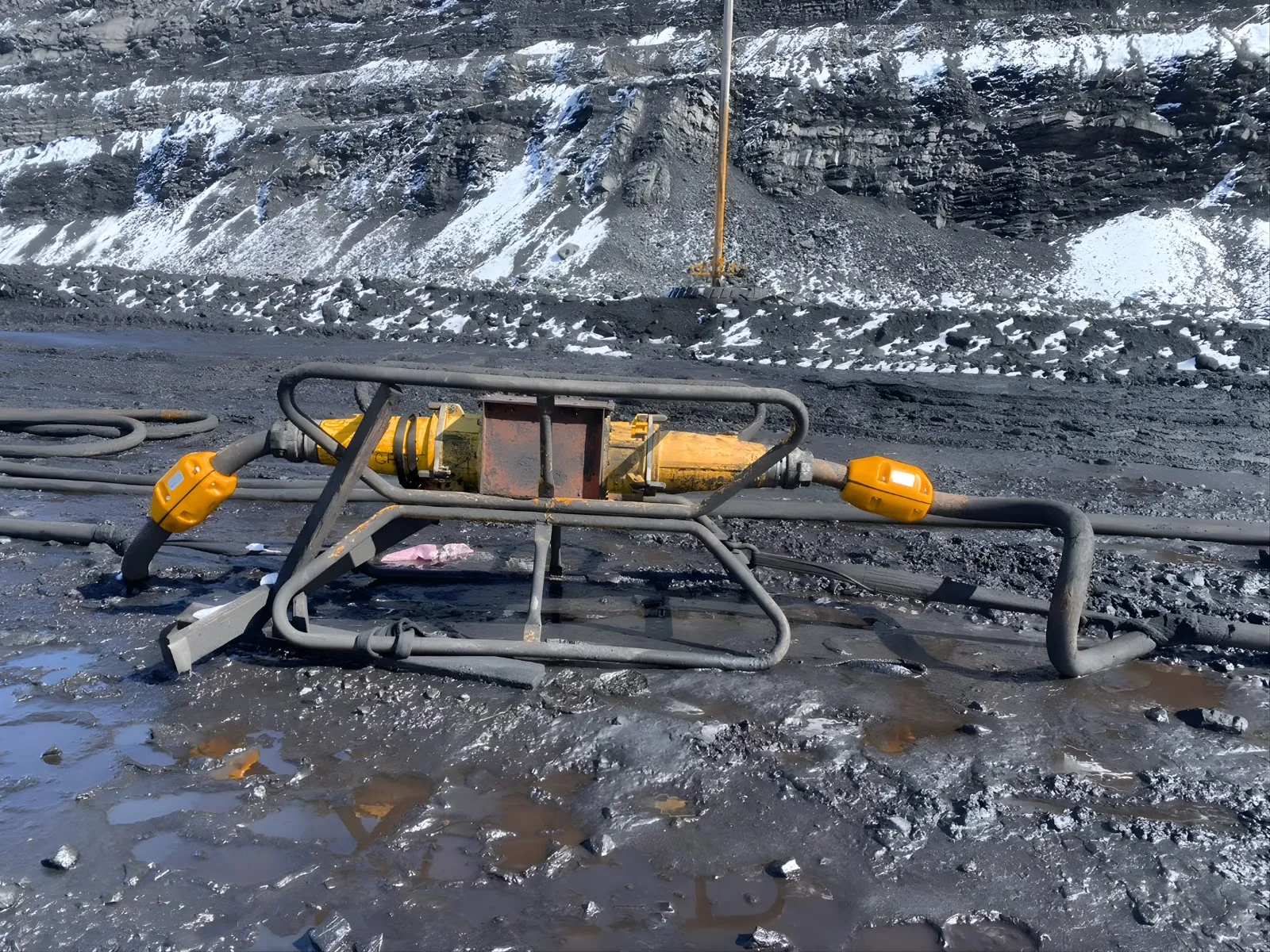
Visibility, safety and maintenance, on every cable.
Trailing cables are hard to see, easy to damage and critical to production. AcuSense covers all three, so your site no longer has to compromise.
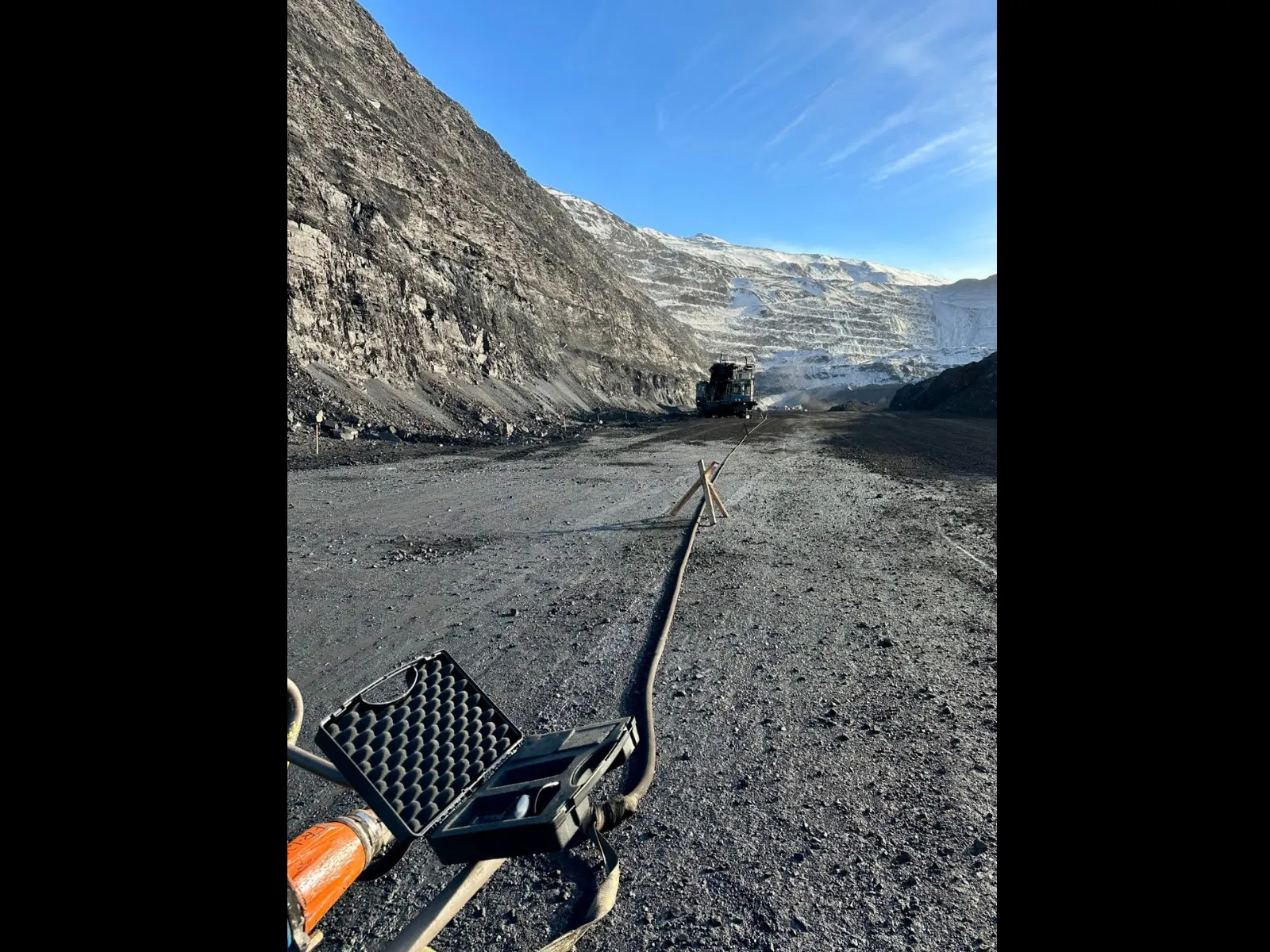
See every cable, and the route it takes.
Each node reports its GPS / GNSS position, so every trailing cable shows up on one live map with its path from the switch house to the shovel.
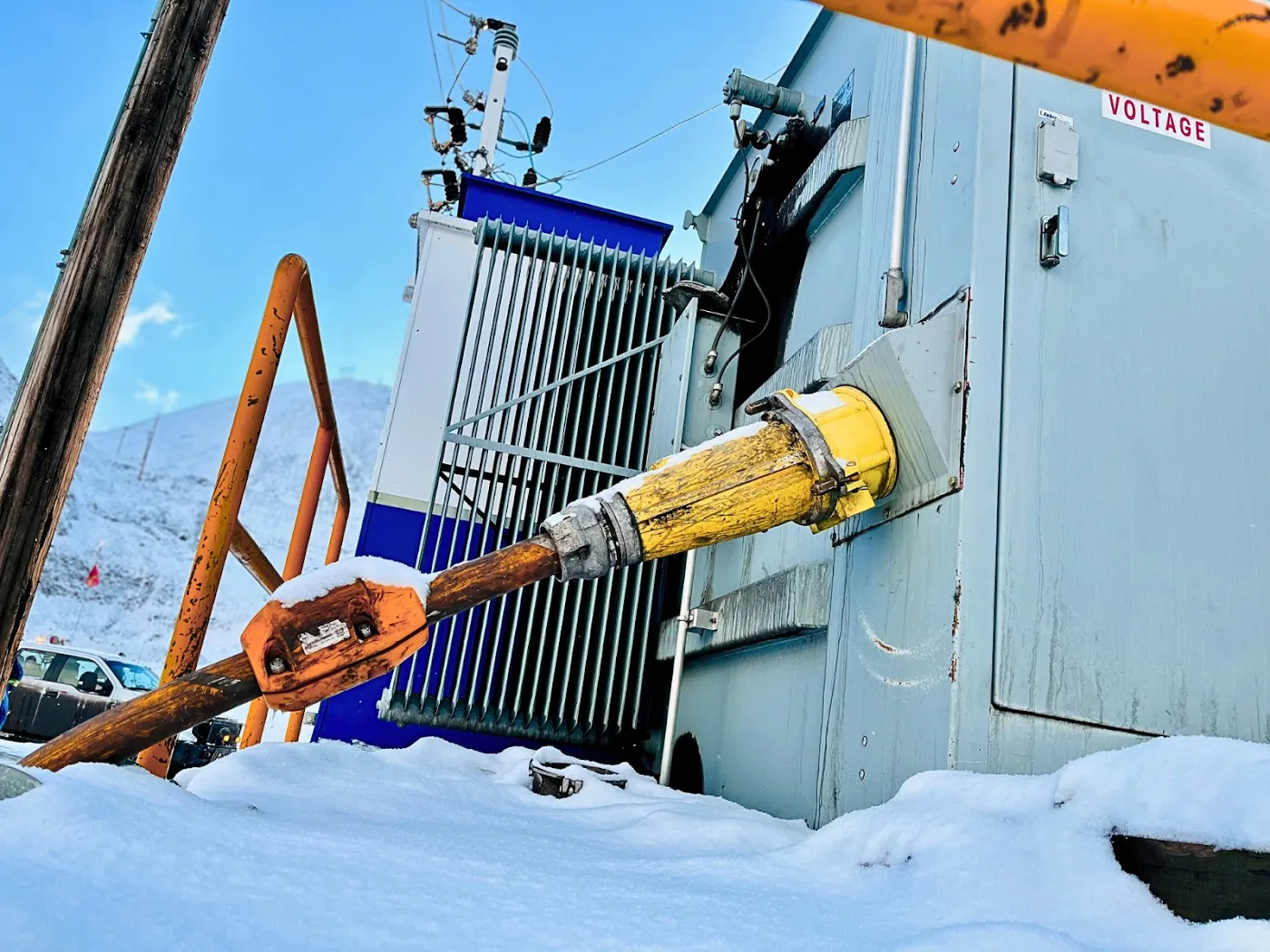
Know a cable is live before anyone gets close.
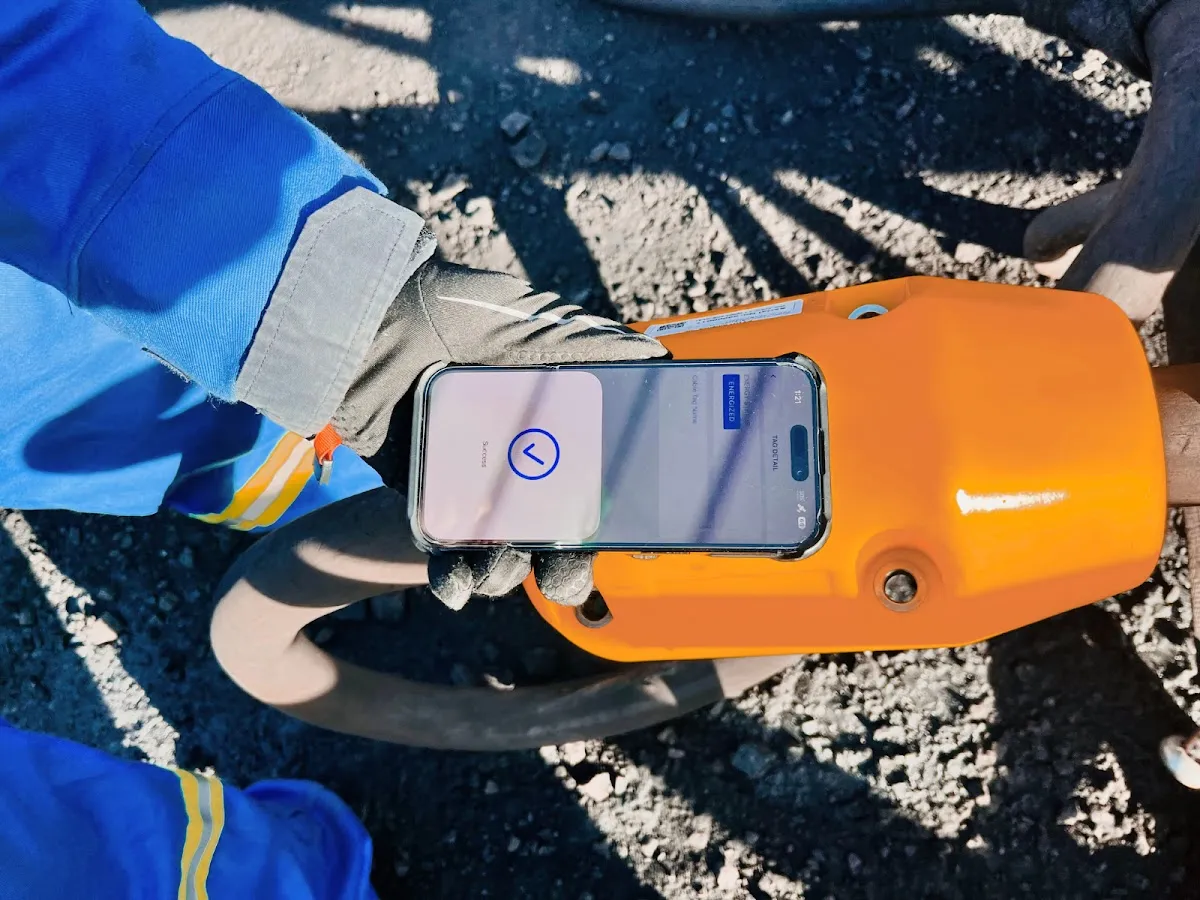
AcuSense senses whether each cable is energized from outside the jacket. Lockout and tagout events send email alerts, and cable geofences can be shared with autonomous haulage and collision avoidance systems.
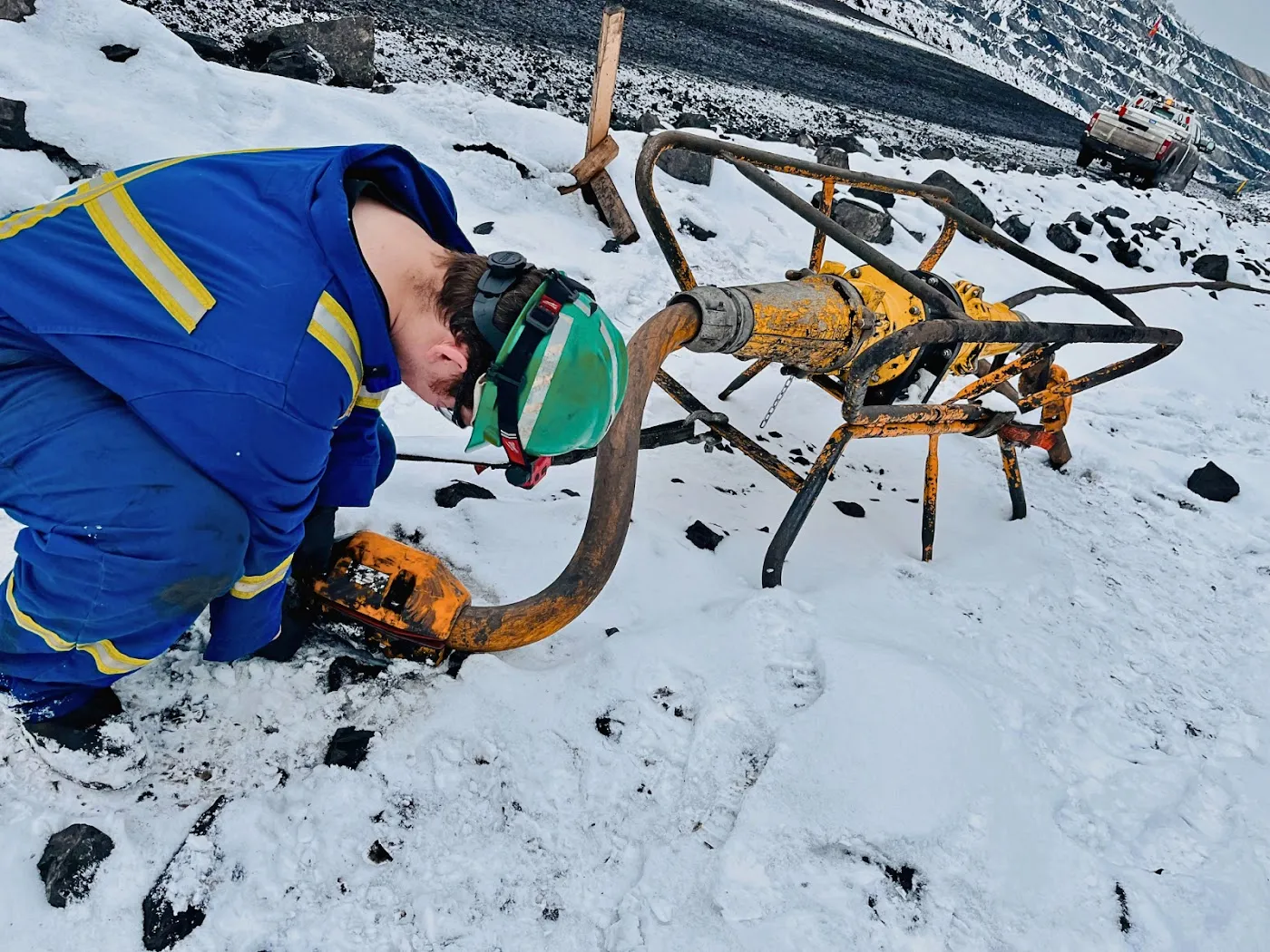
Fix cable problems before they stop a shovel.
Inspections, repairs and moves are logged against each cable, so crews know its history before they work on it. An NFC tag in every node identifies the cable in the field.
From the cable to the control room.
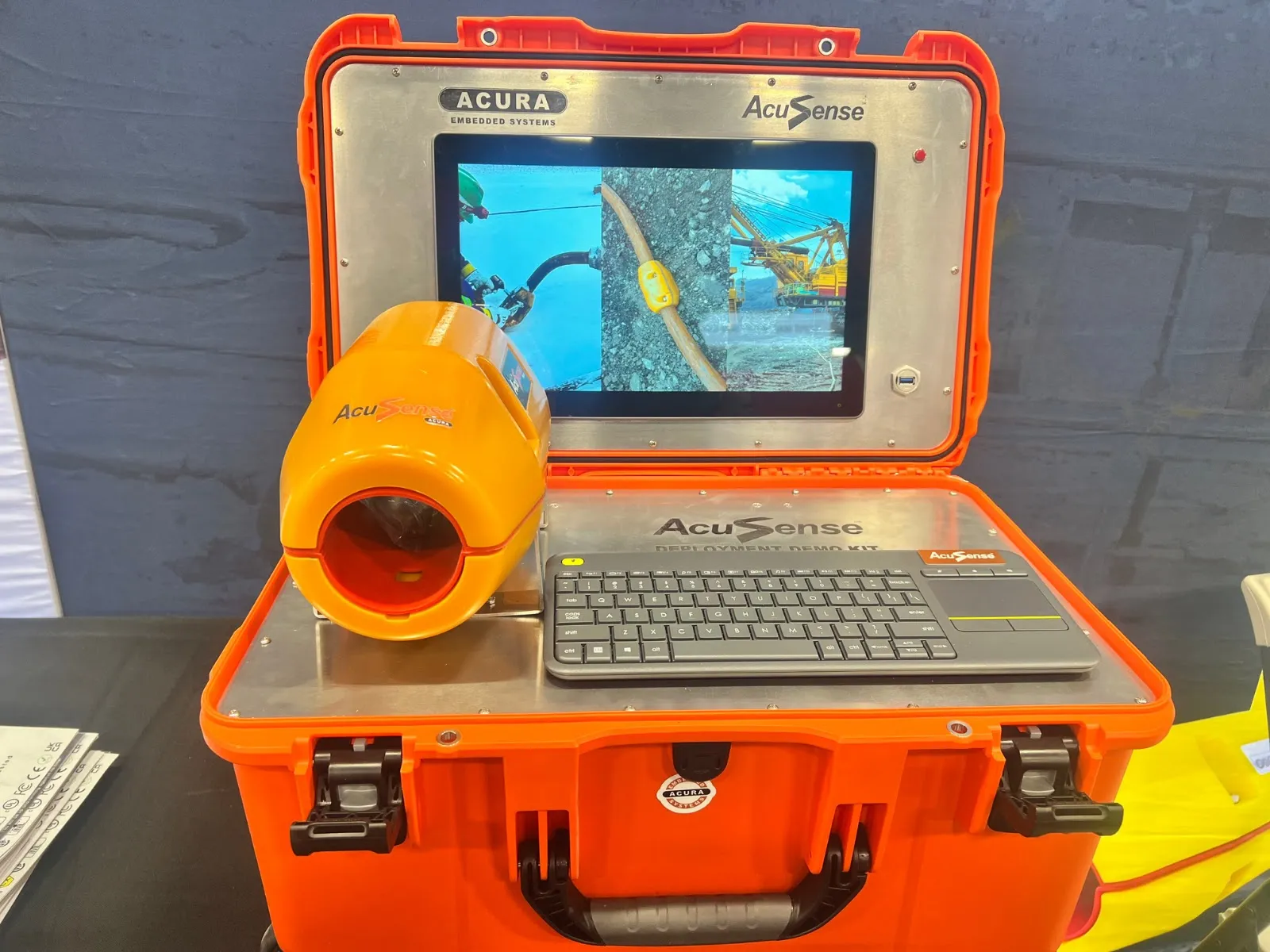
AcuSense is a complete system: sensor nodes on the cable, a wireless link off the pit, and one live view with alerts your team can act on.
AcuSense adds visibility and alerts. It does not replace your site’s isolation and lockout procedures.
On the bench, in every season.
Site crews fit AcuSense nodes with four bolts. From there they ride on the cable through snow, mud and rock.
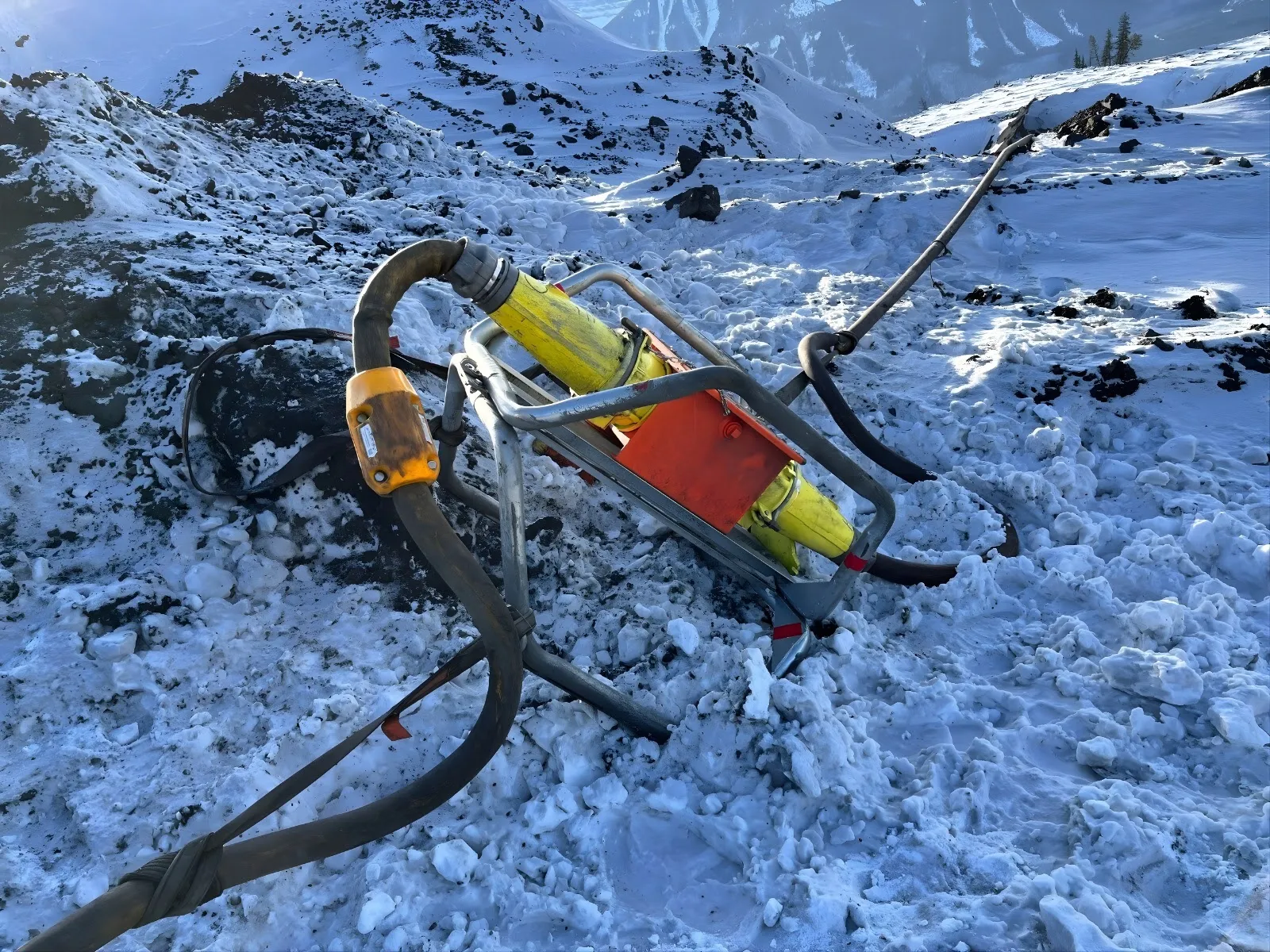
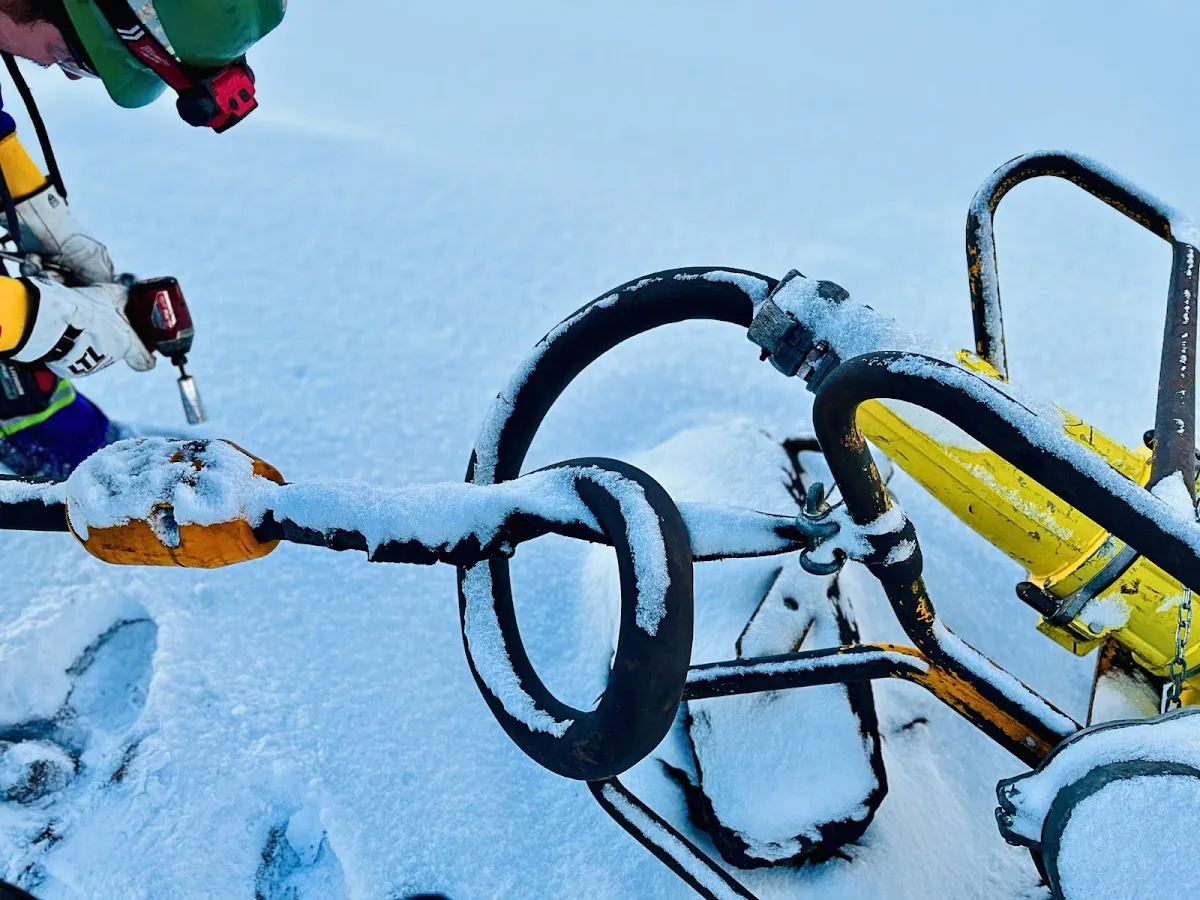
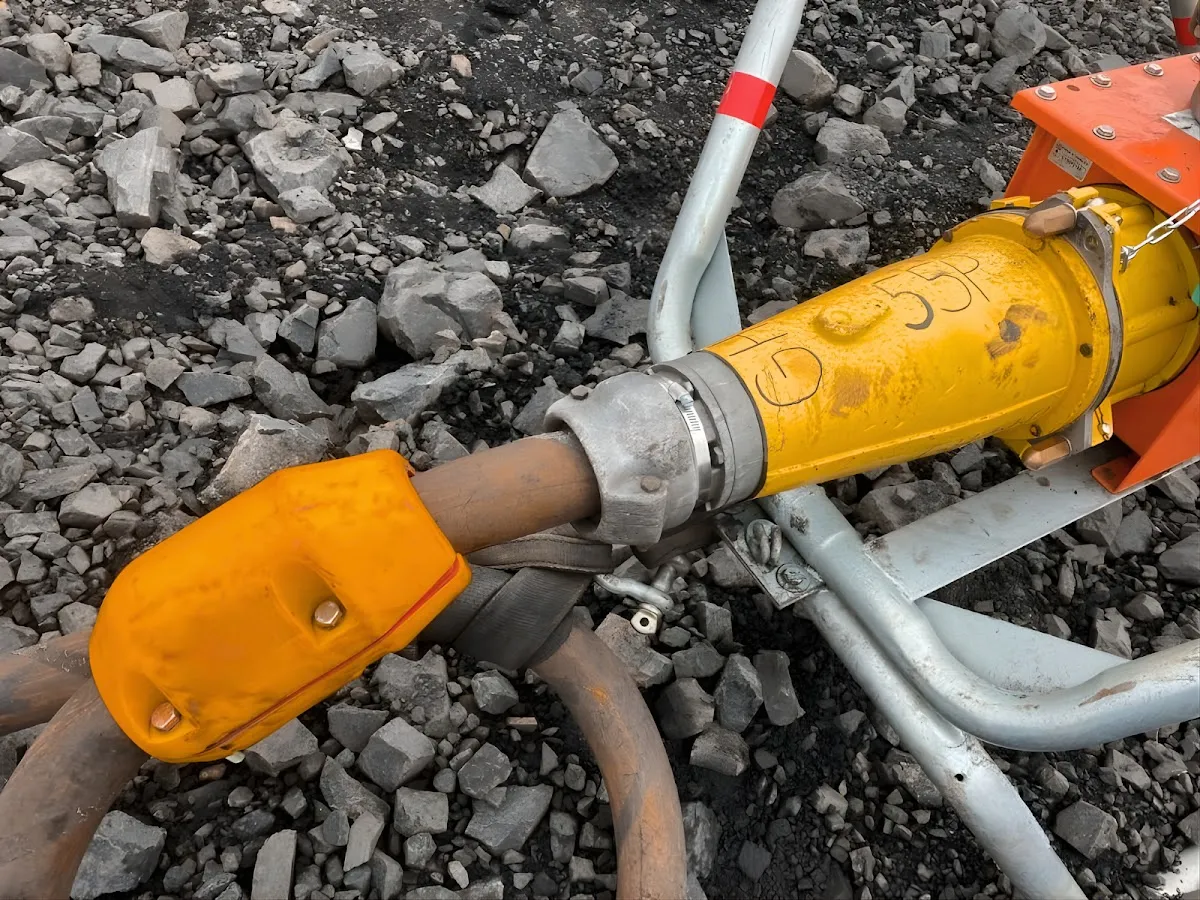
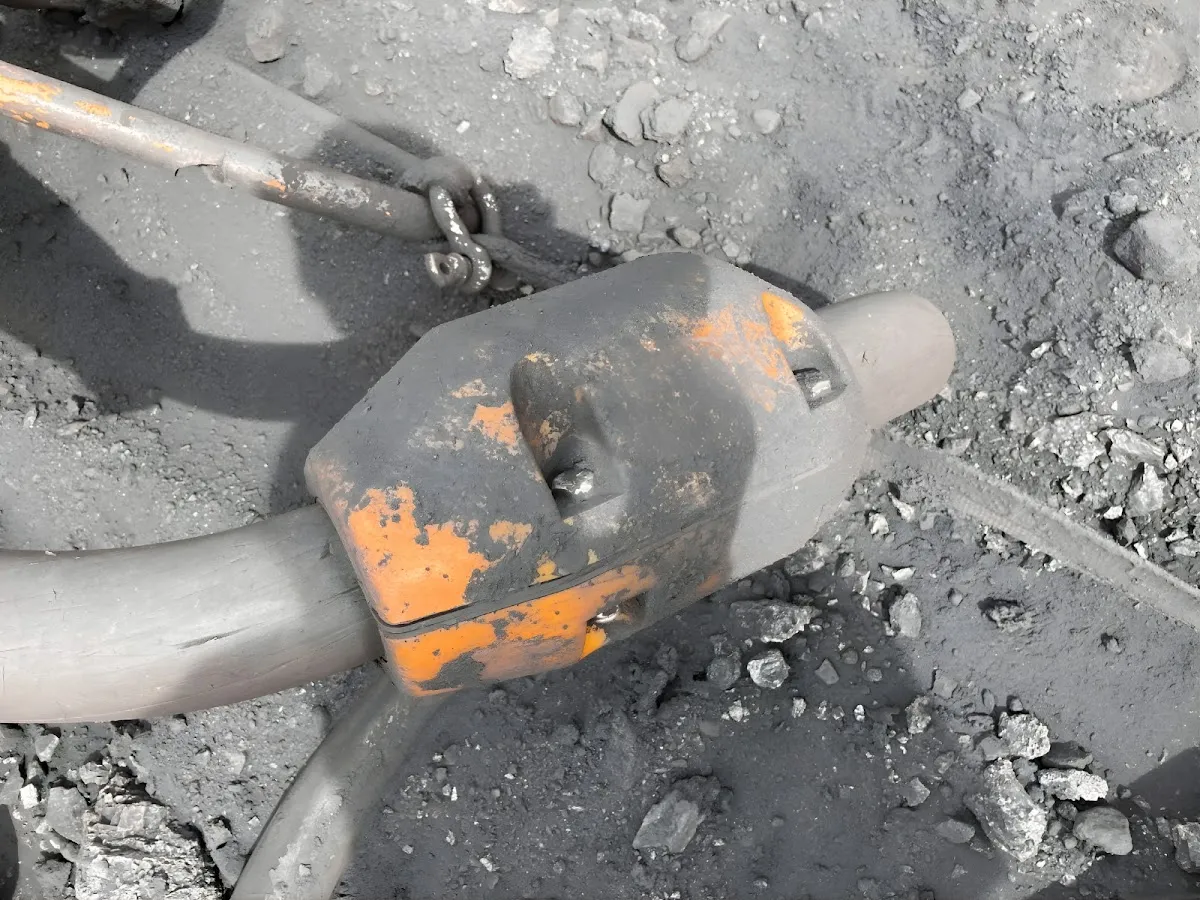
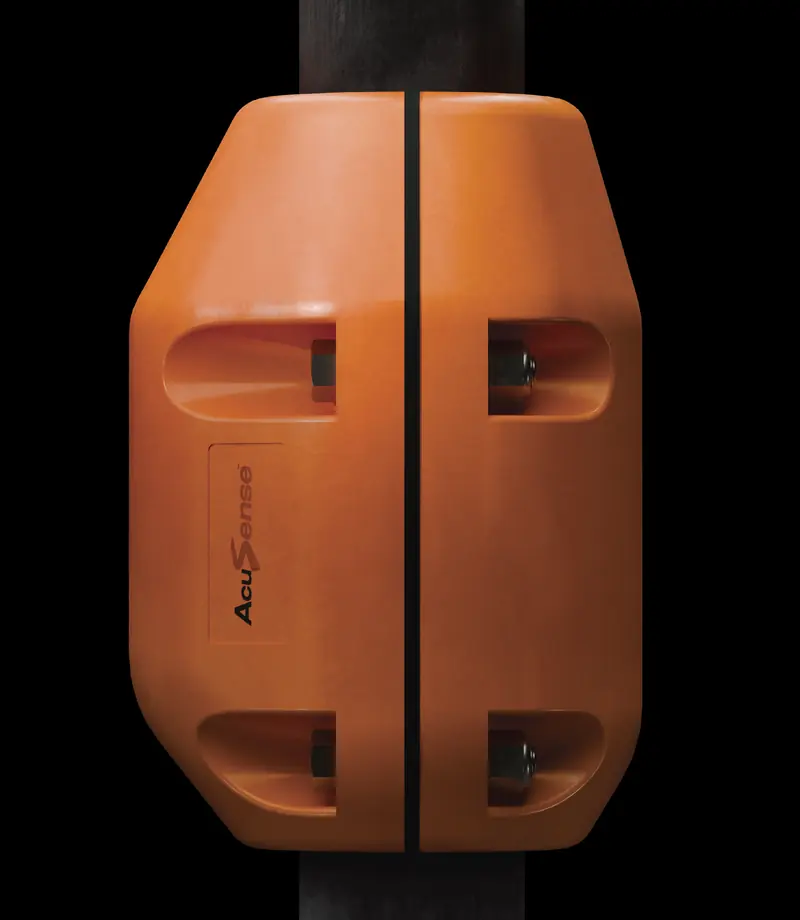
A shell made for the harshest part of the mine.
Each node is a two-piece polyurethane shell that closes around the cable. It absorbs impacts, grips the jacket and keeps the electronics sealed inside.
Get the details, or book a meeting.
Tell us about your site and your cables. We will send you the AcuSense details, or set up a time to walk your team through it.
Prefer to talk now?
Call us at +1 866 502 9666 or email contact@acuraembedded.com.
AcuSense is designed and built by Acura Embedded Systems in Surrey, BC, the team behind our hazardous-location computers.
Common questions.
Does AcuSense need to be spliced into the cable?
No. The node closes around the outside of the cable and fastens with four bolts. It senses energized status from outside the cable jacket.
How does the data get off the pit?
Over LoRaWAN or cellular. Each node has built-in antennas, and readings can travel for miles to reach your network.
Can it work with our AHS or collision avoidance system?
AcuSense can send cable geofence alerts to mine AHS and CAS. Tell us which systems you run and we will confirm how it connects at your site.
Does it replace lockout and tagout?
No. AcuSense adds visibility and email alerts for lockout and tagout events. It does not replace your site’s isolation procedures, and crews should always follow the mine’s electrical safety rules.
How is each node powered?
By a battery pack sealed inside the polyurethane shell, so there is no power wiring to run.